
Mapping What Matters Newsletter
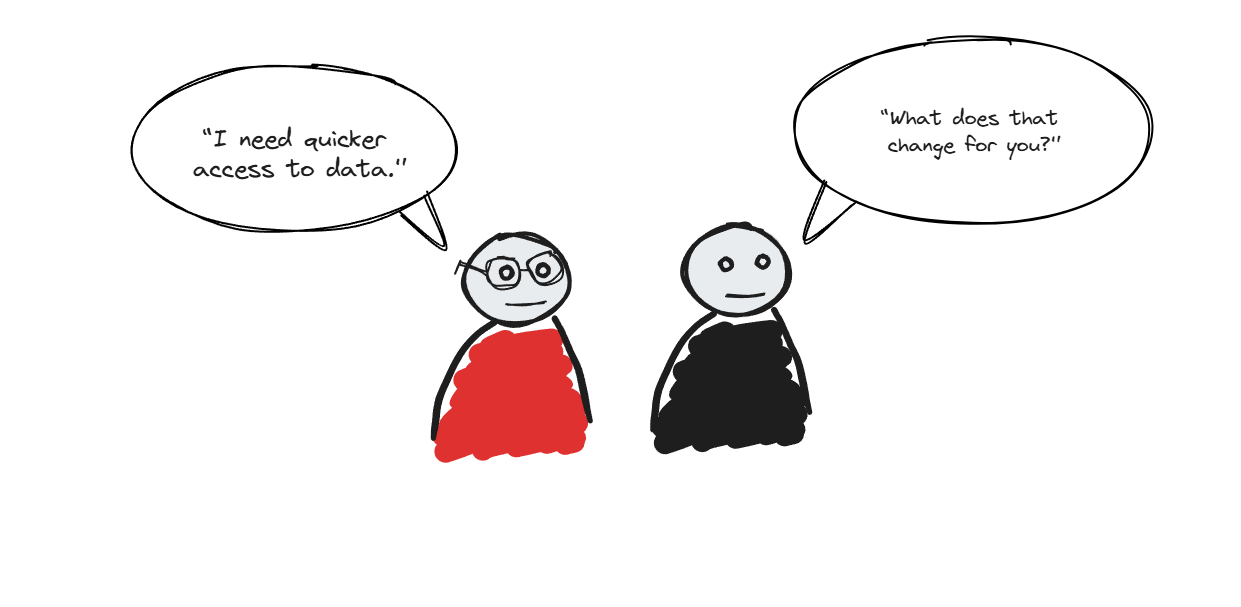
#001 If nothing breaks, was it ever a need?
11/03/2026
In chapter three of User Needs Mapping: Aligning Teams Around What Matters, I offer a simple litmus test: “If the thing you’re building never gets delivered, who suffers and how?”
A need sits in a dependency chain; other things rely on it. A want, by contrast, tends to float. It may improve experience, polish perception, or even create delight. But if it never materialises, the system continues to function. No structural damage occurs.
The problem is not that wants exist, it’s that organisations routinely treat wants as if they are needs. And when that happens, everything downstream becomes distorted: prioritisation, team alignment, investment decisions, and even org design.
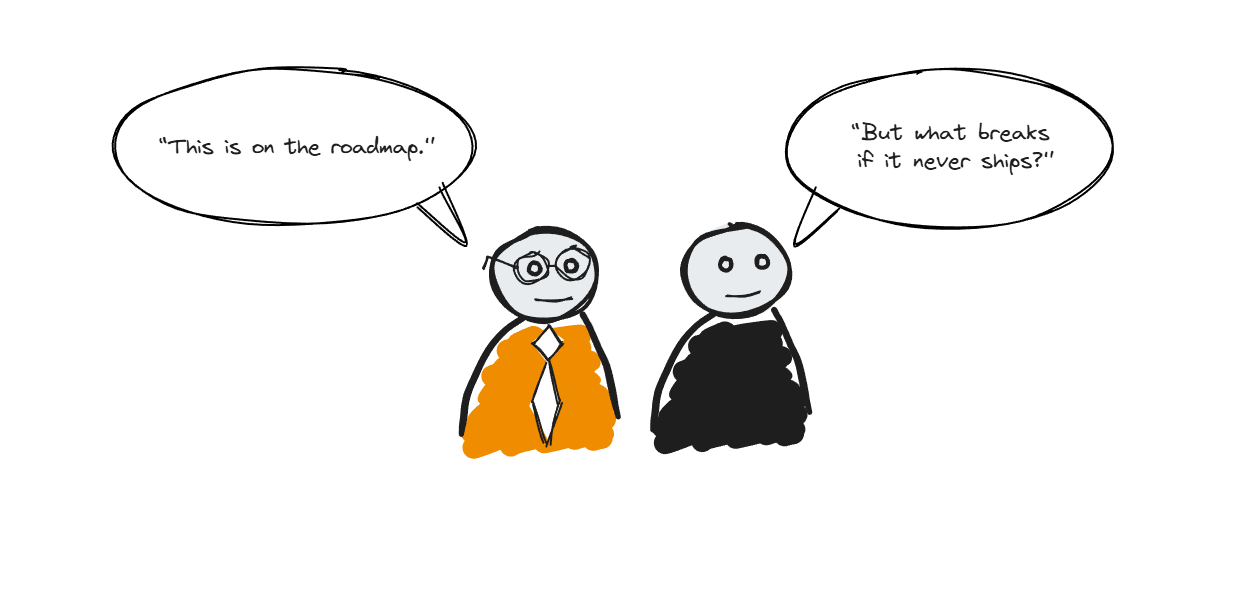
#002 Beyond function: what we miss when we reduce user needs to tasks
08/04/2026
In the last issue I wrote about the difference between wants and needs, and how easy it is to mistake one for the other, especially when what we’re given sounds reasonable and well-articulated. The litmus test — if this never gets delivered, who suffers and how? — was intended to create a bit of separation between the two.
But even when we’re trying to identify real needs, we’re often working with inputs that are incomplete. Not wrong or misleading, but shaped by what the user can see, explain, and comfortably express.
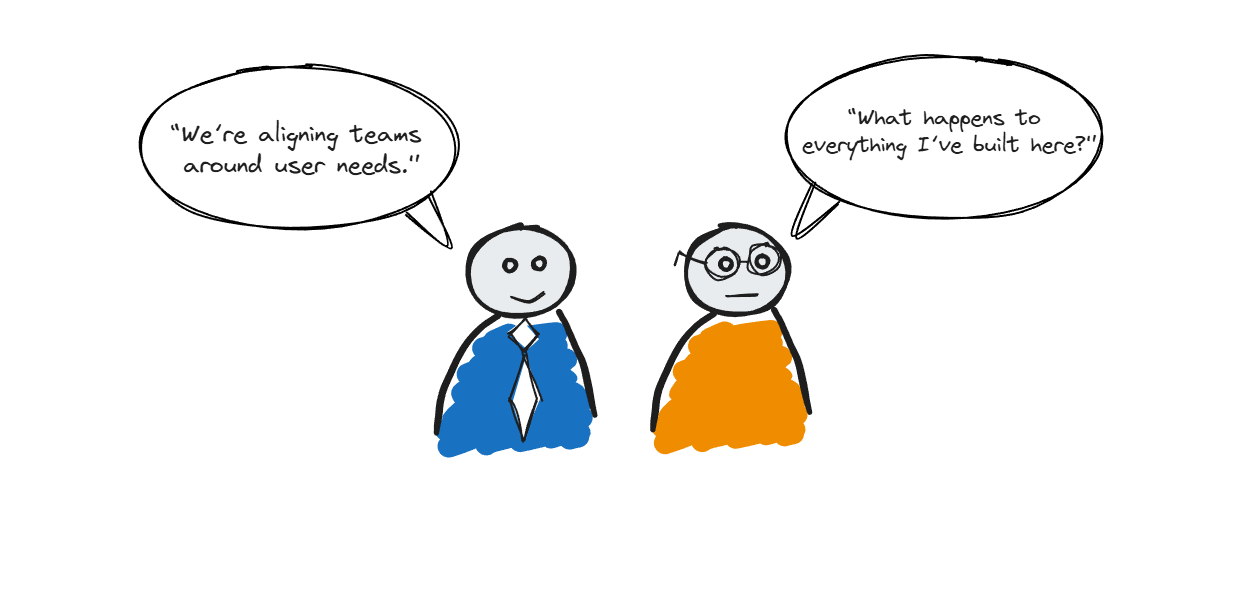
#003 Why People Resist Change (and What it Means for User Needs Mapping)
13/05/2026
User Needs Mapping helps bring clarity to how value should flow through an organisation. The human response to that clarity needs to be fully considered. Resistance isn’t something separate from the work, it’s part of it. A signal that something meaningful feels at risk or that people are trying to make sense of what might change for them, not just for the organisation. When that signal is acknowledged and explored, it becomes something you can work with.
In many cases, resistance isn’t a sign that you’re heading in the wrong direction, it’s a signal that the human side of the system needs more attention alongside the structural one.